Riverfly Monitoring
Project at a glance
Area of focus
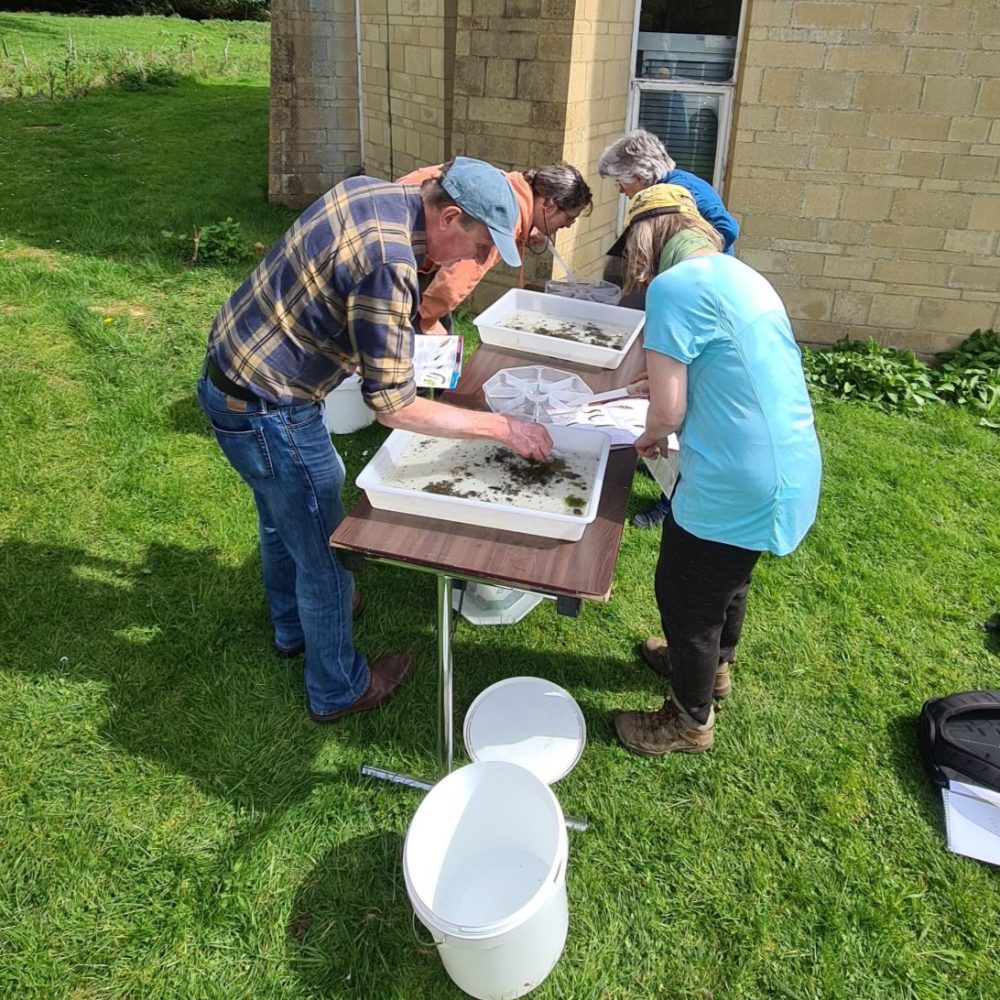
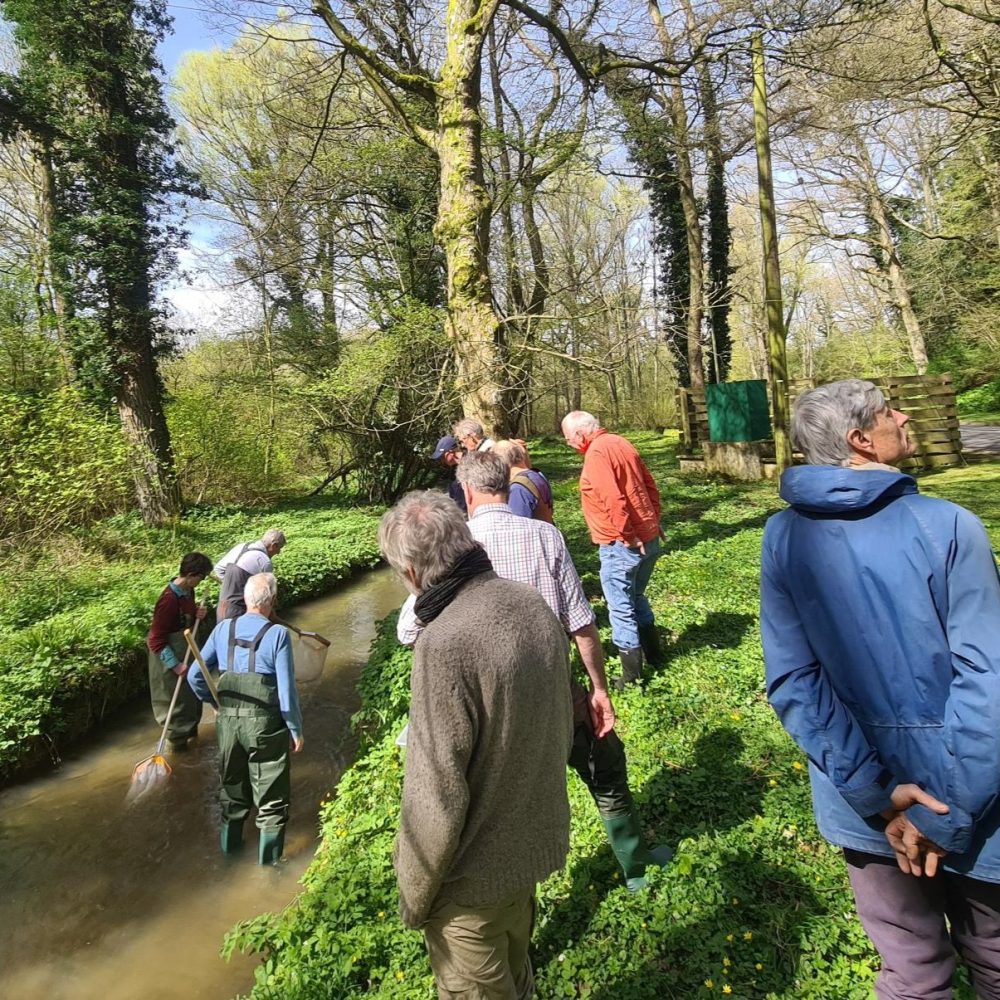
Insects, such as riverfly, are highly sensitive to water pollution, so monitoring them provides an excellent indicator of river health. The larval stage of the riverfly lives in the riverbed and can be collected using a kick-sample technique, which involves disturbing the riverbed and collecting a sample in a net.
The Evenlode Catchment Partnership (ECP) holds annual workshops to train volunteer riverfly surveyors and supports them to monitor areas of interest in the catchment. The data is used to set “trigger levels”, with future breaches prompting investigation by the Environment Agency (EA).
Objectives
Training volunteers to be riverfly surveyors
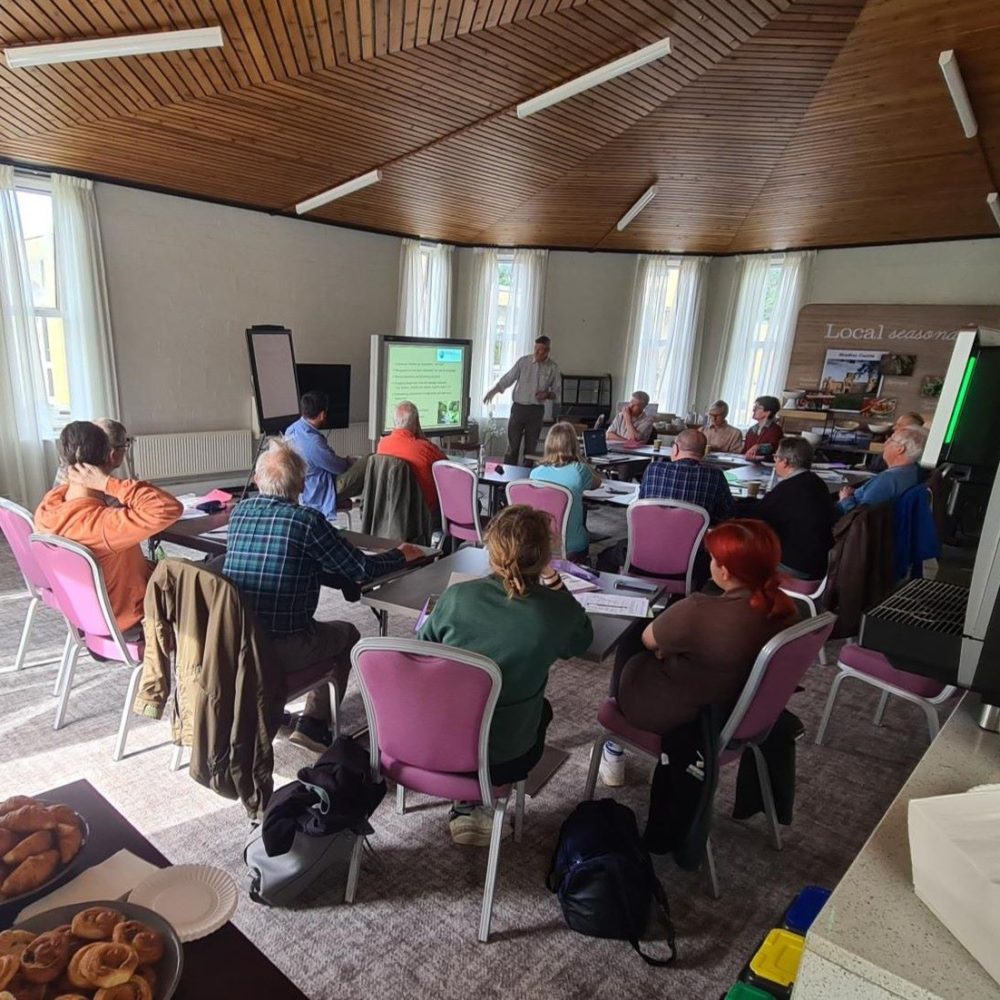
The ECP organises an annual 1-day riverfly workshop for volunteers, run by a professional tutor from The Riverfly Partnership. At the end of the course, volunteers are certified as professional riverfly surveyors.
Supporting trained surveyors to monitor areas of interest in the catchment
Volunteers are given monitoring kit and are supported during surveys to build their confidence in their counting and identification techniques.
Utilising the data
In combination with FreshWater Watch and other data, riverfly surveys build a comprehensive picture of river health to inform decision making and reduce pollution.
The data is used to create a baseline to monitor changes in river pollution. “Trigger levels” (an average of riverfly abundance and diversity) are set for the catchment monitoring locations. If the trigger levels are breached, it prompts investigation by the EA.
Outcomes
24
volunteer riverfly surveyors
27
sites being monitored
37%
of sites have established trigger levels
Project highlights
- People have been fascinated by the insects found in the river.
- We are fortunate to have some dedicated volunteer surveyors who have become Catchment Champions.
- The EA has been coming out to investigate the sites when trigger levels are breached.
- Some healthy spots in the catchment have been found!
Lessons learnt
- Riverfly sampling requires attention to detail and lots of practice. Volunteers need support to improve their surveying and identification techniques.
- Volunteer numbers drop off over time. A financial incentive may help retention.
- Training riverfly surveyors is good value for money compared to expensive and high maintenance water sensors.
- Reduced counts have been observed downstream of Sewage Treatment Works.
Future plans
The ECP will continue to scale up this project by training more volunteers and monitoring more sites if funding becomes available.
If you are interested in becoming a riverfly surveyor, please contact eoghan@wildoxfordshire.org.uk
Funding
Total cost: £11,340 p.a.
Funded by Thames Water.


