Report on water quality and pollution sources in Littlestock Brook
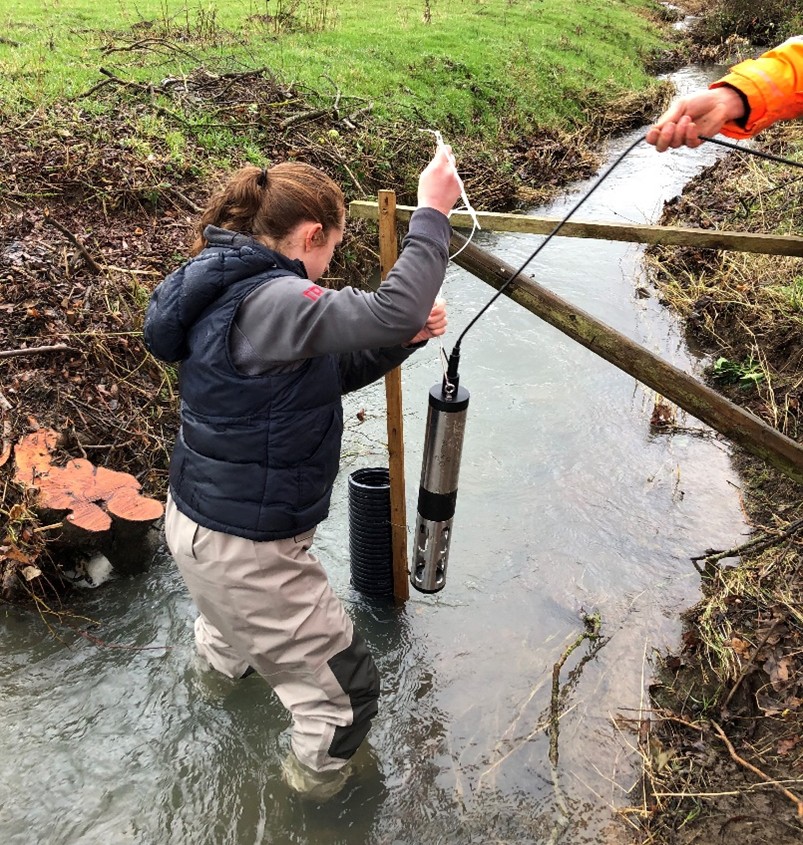
The Littlestock Brook is classified by the Environment Agency (EA) as having ‘poor water quality’. This report by the ECP brings together the available data to help us build a comprehensive picture of the water quality status and sources of pollution of the Littlestock Brook at Milton-under-Wychwood (MuW).
Main conclusions
- Despite the MuW Sewage Treatment Works (STW) being able, to the most part, to comply with the sanitary standards in the environmental permit issued by the EA, this analysis shows that the STW has a significant negative impact on the water quality of the Littlestock Brook and is the main contributor to the brook being classified as being of ‘poor water quality’.
- The EA environmental discharge permit conditions for the treated sewage effluent discharge from the STW are too lax to protect the water quality of Littlestock Brook.
- The environmental discharge permit conditions for the treated sewage effluent discharge from the STW do not contain any limits for phosphate, and this is a significant omission, as phosphate is one of the main determinants that causes the brook to be classified as having ‘poor water quality’.
- There is insufficient dilution available in the brook to absorb the flow and concentration of pollutants that are discharged from the STW. Even when all of the flow to the works is processed and treated to the permit standards, the dilution is insufficient for the brook to reach Good Ecological Status due to the sewage works discharge. This situation is exacerbated in the summer months when the flow in the brook is low but the STW discharge remains steady.
- As well as the treated sewage effluent discharge, the works also has a permit to release untreated sewage when the works is overwhelmed from ‘storm sewage effluent resulting from rainfall or snowmelt’. These untreated sewage discharges exceed 2,200 hours discharging per year, far in excess of what would be expected from ‘rainfall or snowmelt’ in MuW. It is obvious that there is insufficient capacity in the sewerage system and sewage works to treat the full flow and this leads to frequent use of the untreated storm overflow discharge to avoid overwhelming the STW.
- The operation of the storm overflow under an historic ‘Deemed Temporary Permit’ makes the level of illegality of the untreated sewage discharges problematic. It is therefore incumbent on the Environment Agency to promptly review and re-issue a revised permit with environmental conditions that protect the Littlestock Brook.
Recommendations
- Given the poor performance of the present works, there should be no further development in the area served by MuW STW, until the STW is upgraded to treat all of the flow, and the treatment process is enhanced to ensure that the quality of the effluent discharged does not harm the brook.
- The EA reviews the permit and sets tighter limits that protect the water quality and ecology of the brook. This will require enhancements to MuW STW and its associated sewerage network, to include both the enhanced quality and increased quantity of treatment.
- The EA sets a phosphate limit in the STW discharge permit at a level that protects the water quality of the brook. This will require enhancements to MuW STW, to include phosphate stripping.
- The EA to enforce the conditions of the Storm Overflow Permit in order to encourage Thames Water to make improvements to the sewage system and the STW to reduce the frequency of untreated sewage discharges.
Read the full report by clicking the link below.