Middle Brookend Farm
Project at a glance
Area of focus
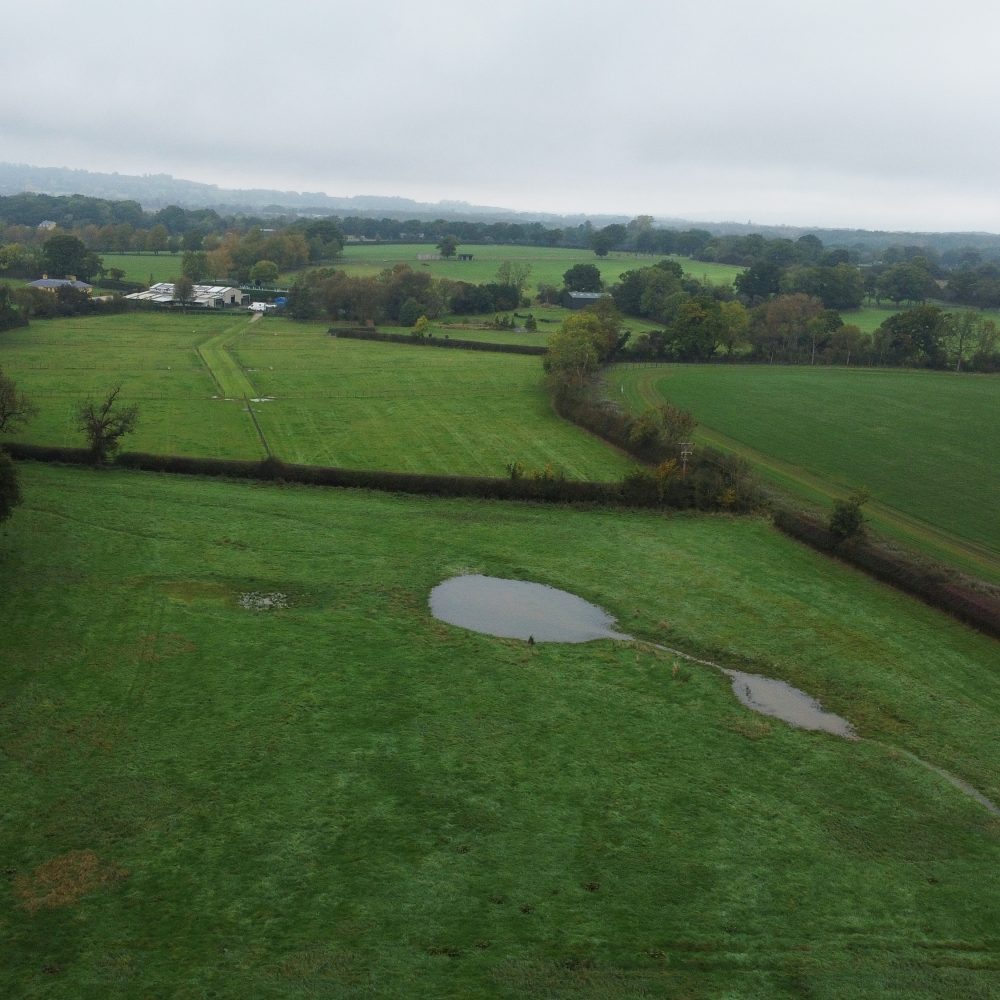
Wild Oxfordshire conducted this project as part of the river restoration programme on behalf of the Environment Agency. The primary aim of this project was to address historical alterations of an identified brook, characteristed by past dredging and straightening, by promoting its natural meandering and connecting it to the original floodplain.
Objectives
Re-establish connection with the floodplain
The brook and the ditch that runs down the hillside from the pond will be reconnected to the floodplain. This will more permanently wet the new channel and reduce peak flow in the brook by increasing surface water overland flow from the adjacent fields and under field drains.
Development of inland ponds and scrapes
Ponds and scrapes will be designed so that they intercept and filter nutrients and sediment, improving water quality.
Creation of permanent and temporary wetland habitat
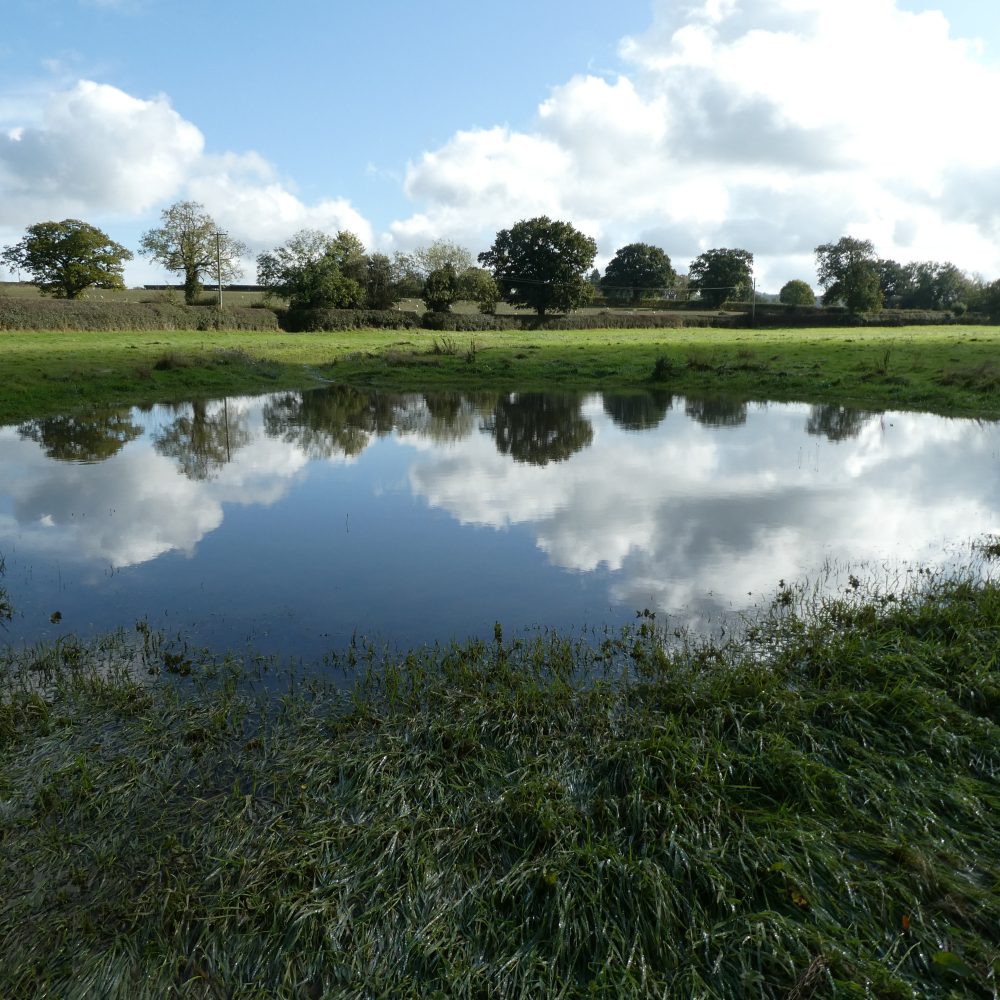
The scrapes provide habitat for aquatic species and birdlife, and swales allow water to spill earlier in a high rainfall event and re-connect the brook to the floodplain.
Outcomes
0.3 km river channel re-connected with floodplain
0.2 km drainage ditch re-connected with floodplain
0.09 ha inline wetland creation – this is a permanent pond
0.2 ha offline wetland creation – this is a temporary pond
Project highlights
A particular success was the creation of wetland habitats, creating an abundance of wildlife in the area, especially wading birds.
Lessons learnt
On-site verification of characteristics such as drainage pipes should be undertaken as early as possible. It was discovered that underground on-site drainage could not flow onto the field as drainage pipes were not in the expected location.
Future plans
Wild Oxfordshire hopes that the achievements of this project will serve as inspiration to neighbouring landowners.
Funding
Total cost: £29,300
Funded by the Environment Agency (public funding).