Sondes
Project at a glance
Area of focus
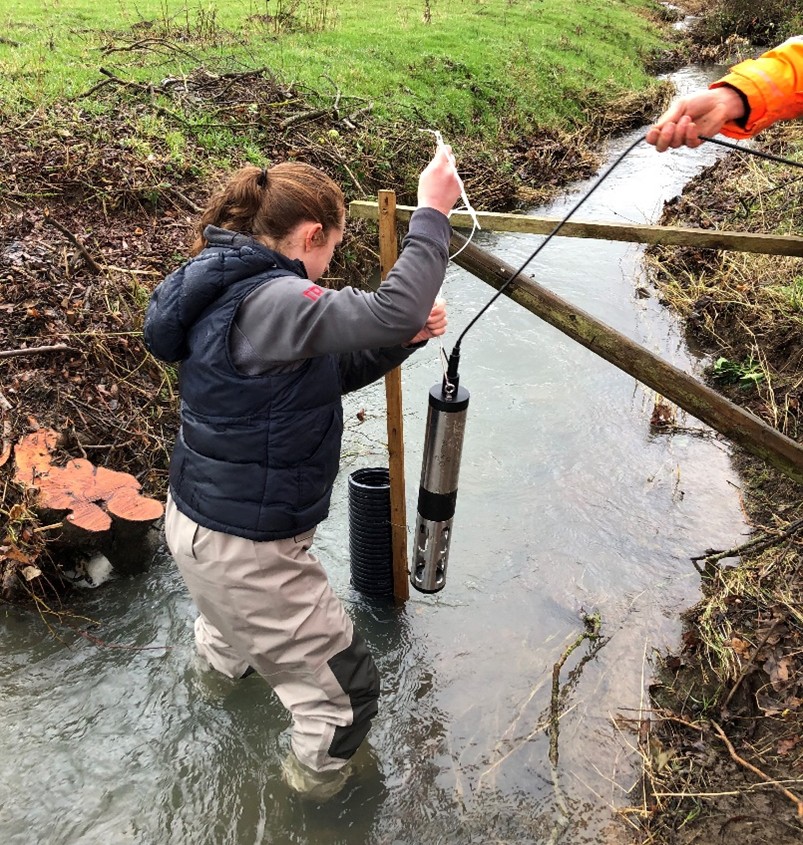
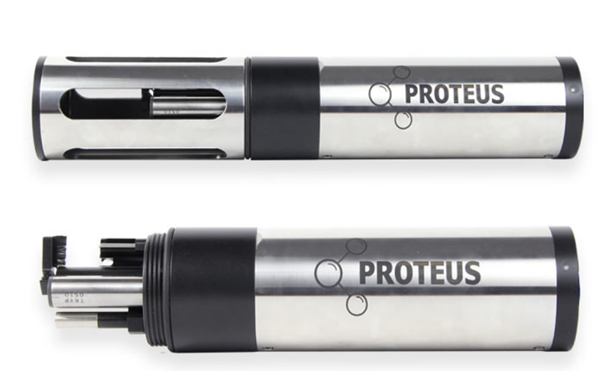
Over the past three years we have been using four real-time near-continuous water quality sensors, called sondes, across the Evenlode catchment to provide detailed information and enable investigations into sources of pollution. This provides important data to quantify the impacts of Sewage Treatment Works (STWs) and restoration activity, and supports media and public campaigns.
Objectives
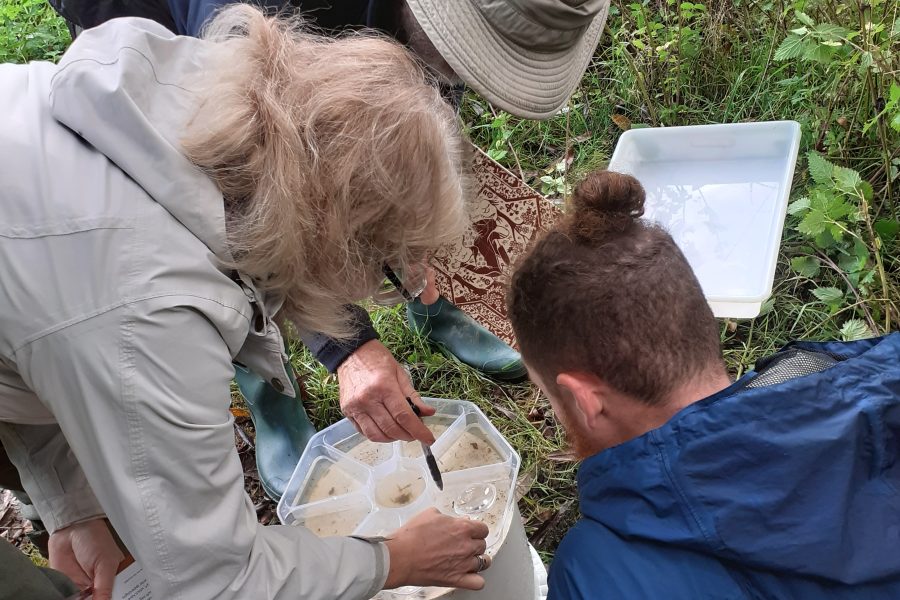
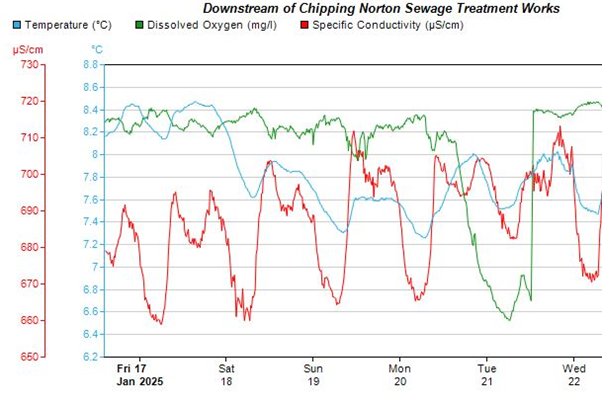
We used the sondes to explore the difference in water quality upstream and downstream of Milton-under-Wychwood and Chipping Norton STWs and prove the impact of sewage. Additionally, we have been able to show the impact of restorations such as wetlands on improving water quality.
Outcomes
We have gathered thousands of data points on:
- specific conductivity
- turbidity
- temperature
- dissolved oxygen
- pH
- oxidation-reduction potential
- tryptophan
- chromophoric dissolved organic matter
Project highlights
From this data we have published three detailed reports on specific pollution hotspots, including most recently the report on Milton-under-Wychwood STW, which supports campaigns for change.
Lessons learnt
We have learnt that the sondes do need careful maintenance and regular calibration to provide accurate data. In 2024 and 2025 we moved to weekly maintenance visits. In Winter 24/25 we experienced a lot of extremely wet weather which took the sondes offline for some time and even washed away some equipment in the river!
Future plans
Dependent on funding we want to continue to utilise the sondes to investigate water quality across the catchment.
Funding
Initial expenditure to purchase purchase four sondes: £111,000
Annual maintenance, calibration, telemetry and management costs: ~£60,000 p.a.
Funded by Thames Water.